Formwork vs Precast Concrete: What’s the Difference?
When planning a concrete construction project, one common question is whether to use traditional formwork or precast concrete elements.
Both methods involve concrete, but the way they are produced and installed is very different. Understanding these differences helps you choose the right solution for your project’s design, timeline, and structural requirements.
What Is Formwork Construction?
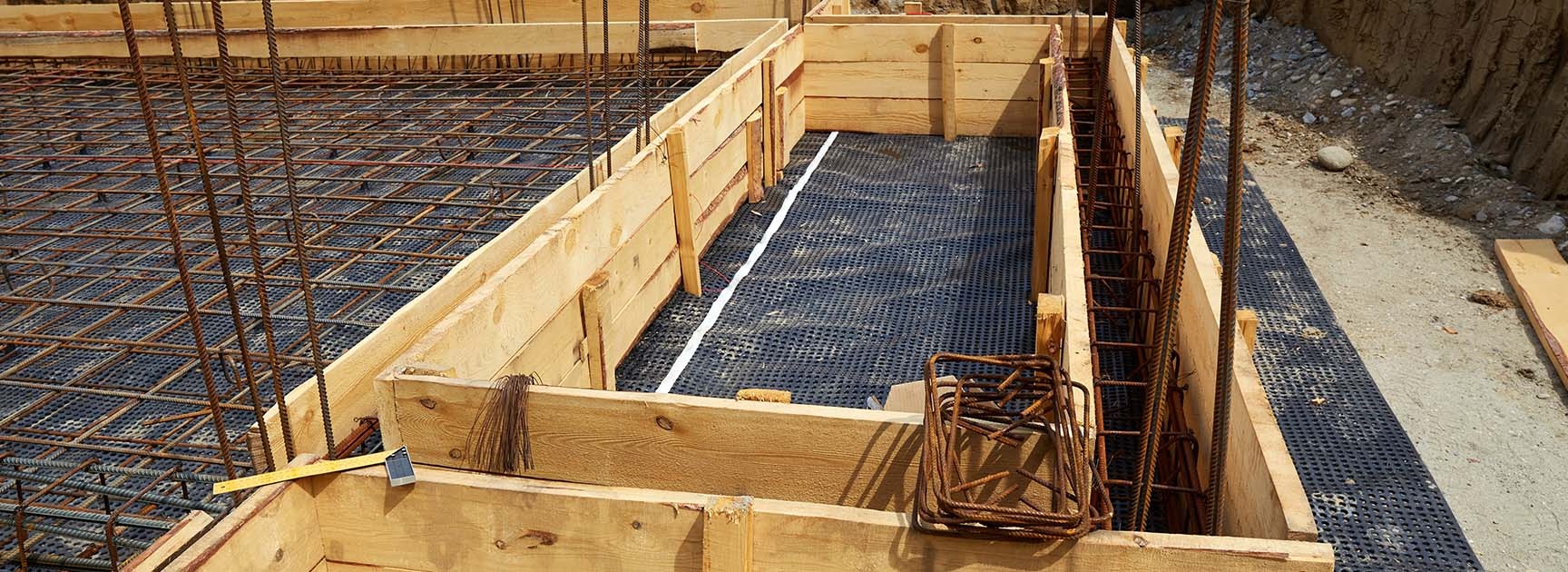
Formwork construction involves building a temporary mould on site into which concrete is poured and left to cure. This method allows concrete to be shaped exactly to the dimensions and design required. Once the concrete has set and gained sufficient strength, the formwork is removed, leaving a solid structural element in place.
Formwork is highly versatile. It can be used for foundations, retaining walls, basements, stairs, beams, and complex structural shapes. Because it is created on site, it offers flexibility for projects where designs are bespoke or where site conditions vary. It also allows contractors to integrate reinforcement and adjust details during construction to ensure accuracy and structural performance.
What Is Precast Concrete?
Precast concrete, on the other hand, is manufactured off site in a controlled factory environment. Concrete elements such as panels, beams, or stairs are cast in reusable moulds, cured, and then transported to the construction site for installation. This approach can speed up certain types of projects because elements arrive ready-made and only need to be lifted into place.
Precast components are often used in repetitive construction where identical units are required, such as large-scale developments or modular builds. The controlled production environment can also help achieve consistent finishes and quality across multiple units.
Key Differences in Flexibility and Design
One of the biggest differences between formwork and precast methods is flexibility. Formwork allows for fully customised shapes and sizes that respond to specific site layouts and structural needs. This makes it ideal for unique builds, complex geometries, and projects where adjustments may be needed during construction.
Precast concrete is less adaptable once produced. Any design changes after manufacturing can be costly or impractical, which means accurate planning is essential from the outset.
Installation and On-Site Considerations
Formwork construction takes place entirely on site, requiring skilled labour to assemble the moulds, install reinforcement, and manage the concrete pour. While this process can take longer than installing precast elements, it ensures the structure fits the site perfectly and integrates seamlessly with other parts of the build.
Precast elements require transport, lifting equipment, and precise coordination during installation. Access restrictions or tight sites can sometimes make delivery and positioning more challenging.
Which Option Is Right for Your Project?
The best choice depends on the type of project you’re undertaking. Formwork is typically preferred for structural elements that need to be tailored to the site, such as basements, retaining walls, and complex reinforced concrete features. Precast concrete can be a good solution where repetitive components and faster installation are priorities.
Both methods have their place in modern construction, but selecting the right approach ensures structural reliability, cost efficiency, and a smoother build process overall.
If you’re unsure whether formwork or precast concrete is the right choice for your project, Southeast Formwork is here to help. Our team can review your plans, advise on the most suitable approach, and provide a clear, no-obligation quote. Get in touch today to discuss your build and move forward with confidence.