Why Reinforced Concrete Is the Backbone of Construction
When you look at modern buildings, bridges, basements, or retaining walls, there’s one material that appears again and again: reinforced concrete. It has become a fundamental part of construction because it combines strength, durability, and versatility in a way that very few materials can match.
For contractors and developers, reinforced concrete offers a reliable structural solution. For property owners, it provides peace of mind knowing that the structure supporting their project is built to last.
What Is Reinforced Concrete?
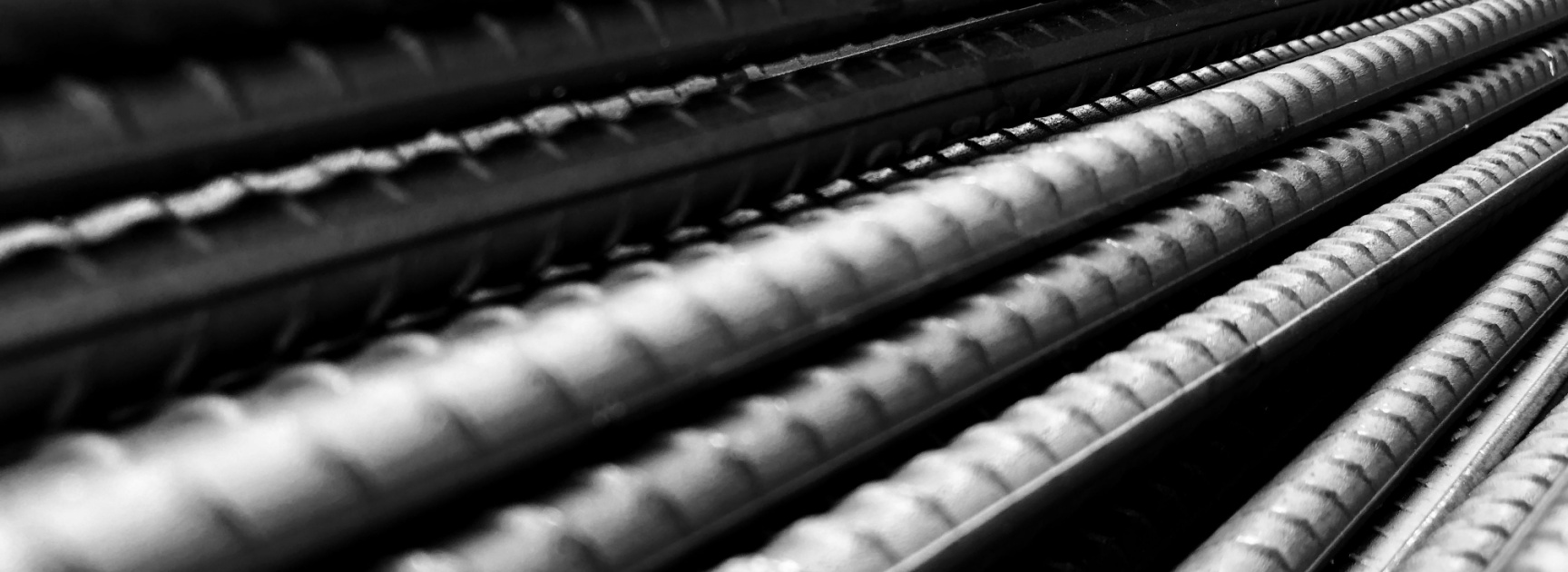
Reinforced concrete is created by combining standard concrete with steel reinforcement, usually in the form of bars or mesh. Concrete is extremely strong when it comes to handling compression (weight pressing down on it), but it can be weaker when forces try to pull or bend it.
Steel reinforcement solves this problem. The steel takes on the tensile forces while the concrete handles compression, creating a material that performs extremely well under many different structural conditions. In simple terms, reinforced concrete works because the two materials support each other.
Why It’s So Widely Used
There are several reasons reinforced concrete has become such a core part of modern construction projects.
Some of the biggest advantages include:
- High structural strength – capable of supporting heavy loads in buildings and infrastructure
- Long-term durability – designed to last for decades with minimal maintenance
- Design flexibility – can be shaped into walls, stairs, foundations, columns, and more
- Fire resistance – performs well in high-temperature situations
- Cost efficiency – strong performance without excessive material costs
Because of these benefits, reinforced concrete is commonly used in both residential and commercial projects.
Where You’ll See Reinforced Concrete in Construction
Reinforced concrete is used in many different parts of a building or development. Its versatility allows it to support both structural and functional elements.
Common applications include:
- Building foundations
- Basement structures
- Concrete stairs
- Retaining walls
- Structural walls and columns
- Floor slabs
These elements rely on strong structural support, which is exactly what reinforced concrete provides.
Why Proper Installation Matters
While reinforced concrete is extremely strong, its performance depends heavily on correct installation. Poorly installed formwork, incorrect reinforcement placement, or badly managed concrete pours can all affect the final structure.
That’s why experienced contractors are essential. Proper planning, precise formwork, and careful pouring ensure that the finished structure performs exactly as it should.
When done correctly, reinforced concrete becomes one of the most reliable and long-lasting materials in the construction industry.
The Foundation of Reliable Construction
Reinforced concrete has earned its place as the backbone of modern construction because it consistently delivers strength, durability, and flexibility across a wide range of projects. From foundations to structural walls and staircases, it provides the stability that buildings depend on.
For any project where long-term performance matters, reinforced concrete continues to be one of the most trusted solutions available.
Need Expert Reinforced Concrete Work?
If you’re planning a project that requires structural concrete, the team at Southeast Formwork can help. With experience in formwork, basements, retaining walls, and structural concrete installations, we deliver work that’s built for strength and long-term reliability.
Get in touch today to discuss your project and request a quote.