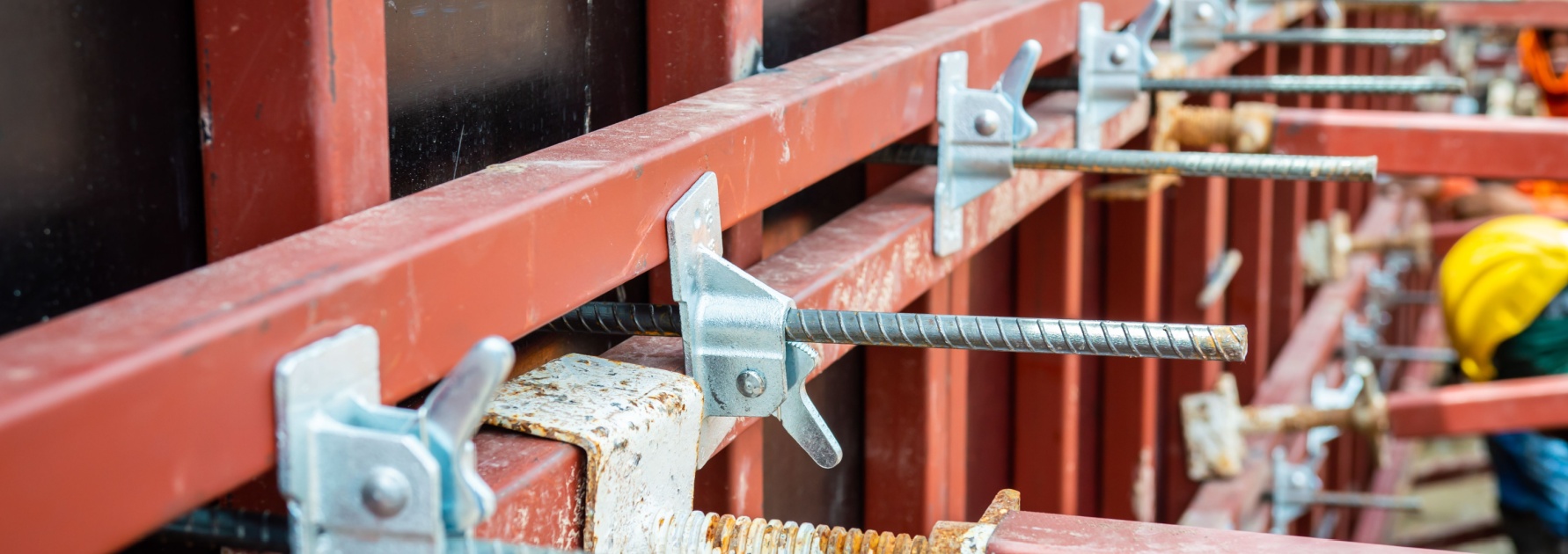
What Is Formwork in Construction and Why Does It Matter?
Formwork is one of the most important stages in concrete construction, yet it’s often overlooked or misunderstood. In simple terms, formwork is the temporary structure used to hold wet concrete in place while it sets and gains strength. Without properly designed and installed formwork, even the best-quality concrete can fail to perform as it should.
Understanding what formwork does, and why it matters, helps explain why experienced contractors play such a critical role in any concrete project.
What Is Formwork?
Formwork acts as a mould for concrete. It shapes the concrete into the required size, position, and finish while supporting its weight until it hardens. Formwork can be used for foundations, walls, columns, beams, slabs, stairs, and retaining walls.
Depending on the project, formwork may be constructed from timber, steel, aluminium, or engineered systems. The choice of materials and design depends on the structure, load requirements, and site conditions.
Once the concrete has cured sufficiently, the formwork is carefully removed, leaving behind a solid, correctly formed concrete element.
Why Formwork Is So Important
Formwork directly affects the strength, accuracy, and safety of a concrete structure. Poorly installed or poorly designed formwork can lead to misalignment, surface defects, cracking, or even structural failure.
Good formwork ensures:
- Concrete is held securely while curing
- Structural dimensions are accurate
- Surfaces are smooth and consistent
- Loads are supported safely during pouring
- Reinforcement stays in the correct position
Because concrete is extremely heavy when wet, formwork must be strong enough to withstand pressure without movement or collapse. This is why experience and proper planning are essential.
The Role of Formwork in Structural Concrete
Formwork works hand in hand with reinforcement. Steel reinforcement provides tensile strength, while formwork ensures that both the concrete and steel remain exactly where they are meant to be. If formwork shifts or flexes, reinforcement placement can be compromised, reducing the structural performance of the finished element.
In complex builds such as basements, retaining walls, and staircases, accurate formwork is critical to ensuring the structure performs as designed.
Why Specialist Formwork Contractors Matter
Formwork is not just temporary carpentry; it is a technical, structural process. Experienced contractors understand load paths, curing times, reinforcement coordination, and site safety. They also know how to adapt formwork systems to challenging sites, tight access, or complex designs.
At Southeast Formwork, formwork is treated as a critical part of the build, not an afterthought. Careful planning, precise installation, and strict safety standards ensure that every concrete pour is supported correctly from start to finish.
The Bottom Line
Formwork matters because it shapes, supports, and protects concrete while it becomes a permanent part of your structure. When done properly, it leads to strong, durable, and accurate concrete construction. When done poorly, it can compromise the entire project.
Choosing experienced formwork specialists ensures your concrete work starts with the right foundations, literally.