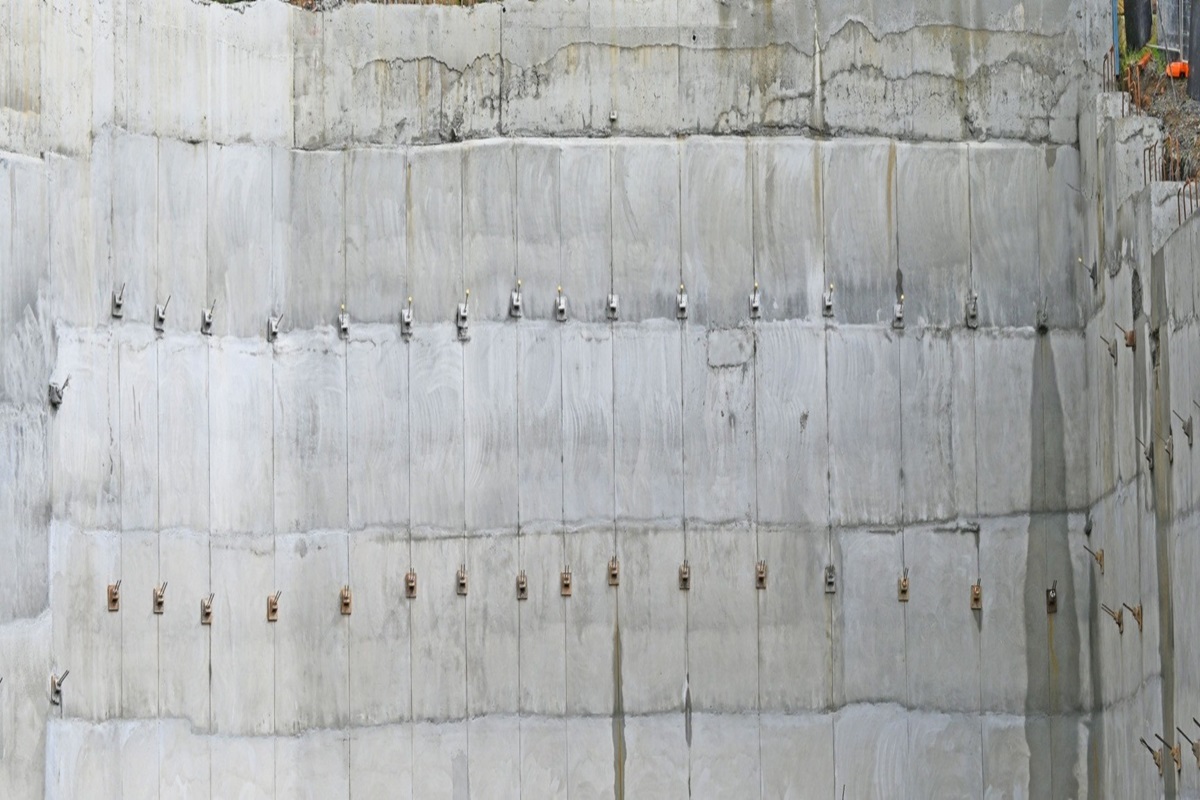
How Does Reinforcing Concrete Make It Stronger?
Concrete is one of the most widely used building materials in the world, valued for its durability and ability to handle heavy loads. However, on its own, concrete has a limitation: while it performs exceptionally well under compression, it is relatively weak when subjected to tension or bending forces. This is where reinforcement comes in.
Reinforcing concrete transforms it from a strong but brittle material into one that can withstand a wide range of structural demands.
Concrete’s Natural Strengths and Weaknesses
Concrete excels at resisting compressive forces, the downward pressure created by weight. This makes it ideal for foundations, walls, and slabs. However, forces such as bending, stretching, vibration, and temperature changes can cause unreinforced concrete to crack over time.
These tensile forces are common in real-world construction, especially in elements like stairs, retaining walls, beams, and suspended slabs. Without reinforcement, cracks can spread, reducing both strength and lifespan.
How Steel Reinforcement Works
Reinforced concrete combines concrete with steel reinforcement, usually in the form of rebar or mesh. Steel is extremely strong in tension, meaning it resists pulling and bending forces very effectively.
When embedded inside concrete, steel and concrete work together as a single structural system:
- Concrete handles compressive loads
- Steel absorbs tensile and bending forces
- Both materials bond tightly, moving together under stress
Because steel and concrete expand and contract at similar rates, they remain compatible even as temperatures change. This partnership dramatically improves the structural performance of the finished element.
Improved Load-Bearing and Crack Control
Reinforcement allows concrete to span longer distances, support heavier loads, and maintain its shape under pressure. It also helps control cracking by distributing stress across the structure rather than allowing it to concentrate in one weak point.
This is particularly important in structural elements exposed to movement, moisture, or repeated use, such as staircases, retaining walls, and floors. Properly reinforced concrete is far less likely to suffer from sudden failure or long-term deterioration.
Long-Term Durability and Safety
By strengthening concrete internally, reinforcement significantly extends the lifespan of a structure. It improves resistance to wear, ground movement, and environmental factors, reducing the need for repairs or replacements over time.
From a safety perspective, reinforced concrete provides predictable, stable performance. This reliability is why it is used in everything from residential builds to large-scale commercial and civil engineering projects.
Why Professional Reinforcement Matters
Correct reinforcement placement, spacing, and coverage are critical. Poorly installed steel can compromise strength, lead to corrosion, or reduce load capacity. That’s why experienced contractors play such an important role in reinforced concrete construction.
At Southeast Formwork, reinforcement is planned and installed with precision, ensuring every concrete element performs exactly as intended.