Can Reinforced Concrete Be Used for Residential Projects?
Many people associate reinforced concrete with large commercial buildings, bridges, or industrial developments, but it is also widely used in residential construction. In fact, more homeowners are choosing reinforced concrete for extensions, basements, retaining walls, stairs, and structural elements because of its strength, durability, and long-term reliability.
For residential projects where safety and structural performance matter, reinforced concrete is often one of the best solutions available.
What Is Reinforced Concrete?
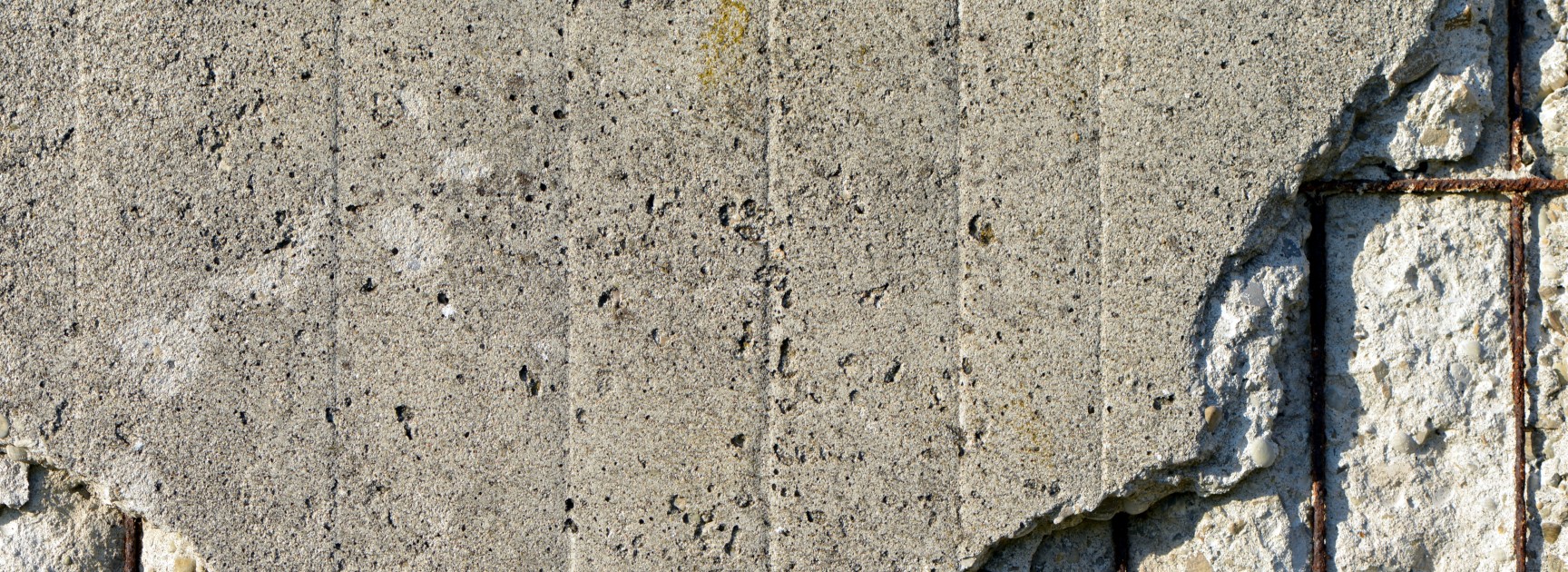
Reinforced concrete combines standard concrete with steel reinforcement, usually in the form of rebar or mesh. Concrete is naturally strong under compression, while steel provides tensile strength and flexibility. Together, they create a material capable of handling heavy loads, ground movement, and environmental stress far better than plain concrete alone.
This combination makes reinforced concrete ideal for structures that need long-term stability and support.
Common Residential Uses
Reinforced concrete is used in a wide range of home construction projects. Some of the most common include:
- Foundations and ground beams
- Basement construction
- Retaining walls
- Concrete stairs
- Structural floors and slabs
- Garden structures and terraces
- Driveways and supporting walls
In many cases, reinforced concrete is chosen because it provides greater strength and longevity compared to alternative materials.
Why Homeowners Choose Reinforced Concrete
One of the biggest advantages is durability. Properly installed reinforced concrete can last for decades with very little maintenance. It resists weather damage, moisture, rot, and pests far better than timber-based structures.
It also offers excellent structural stability. This is especially important for homes built on sloping ground, properties requiring retaining walls, or projects involving basements and extensions where load-bearing support is critical.
Another benefit is flexibility in design. Reinforced concrete can be shaped and formed into a wide variety of layouts, allowing architects and homeowners to create both practical and modern-looking structures.
Is It More Expensive?
The upfront cost can sometimes be higher than simpler construction methods, but reinforced concrete often provides better long-term value. Its durability reduces maintenance and repair costs over time, making it a cost-effective investment for many residential projects.
The exact cost depends on factors such as site conditions, reinforcement requirements, access, and the complexity of the structure.
Choosing the Right Contractor Matters
Residential reinforced concrete work requires proper planning, accurate formwork, and correctly installed reinforcement. Poor workmanship can lead to cracking, movement, or structural issues later on.
At Southeast Formwork, we work with homeowners, builders, and developers to deliver reinforced concrete solutions that are safe, reliable, and built to last. Whether it’s a retaining wall, basement, staircase, or structural foundation, careful preparation and quality workmanship make all the difference.
Final Thoughts
Reinforced concrete is not just for commercial construction. It is a practical, durable, and highly effective solution for many residential projects, offering homeowners long-term strength, stability, and peace of mind.
If you’re planning a residential build and want expert advice on reinforced concrete construction, Southeast Formwork is here to help.